

Practicing yoga has become one of the most effective ways to improve physical health and mental clarity. Whether you are a beginner or an advanced practitioner, learning different yoga poses can help you strengthen muscles, improve flexibility, and enhance overall well-being. Unlike high-intensity workouts, yoga focuses on controlled breathing, alignment, and body awareness.
The beauty of yoga poses lies in their adaptability. They can be modified for all fitness levels and target specific goals, such as stress reduction, muscle toning, posture correction, or relaxation. In this detailed guide, we will explore foundational postures, advanced variations, structured routines, benefits, precautions, and frequently asked questions to help you build a consistent and rewarding practice.
Understanding the Foundation of Mind-Body Practice
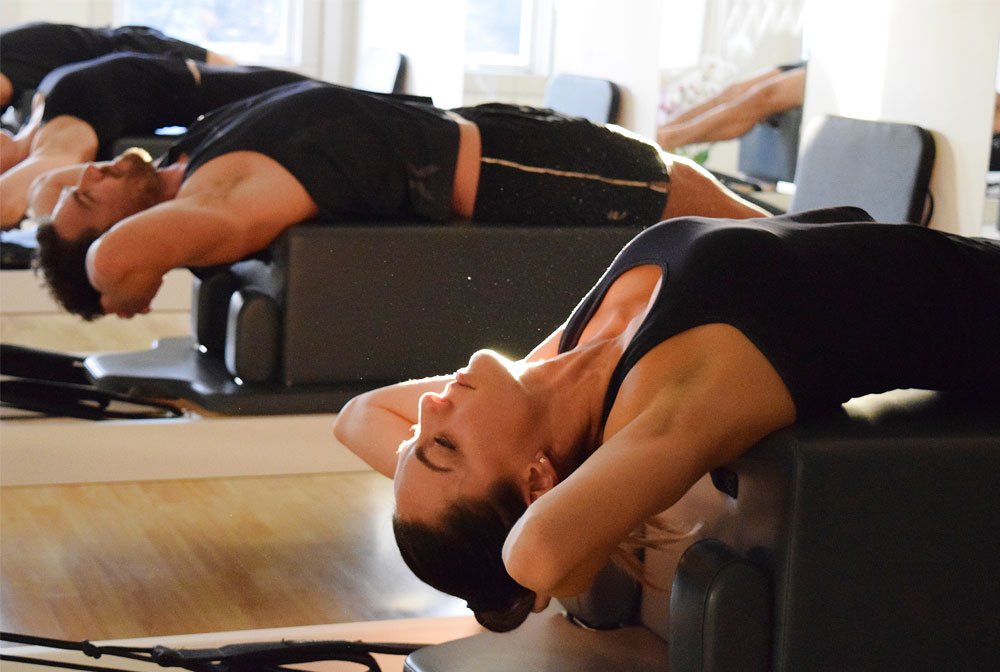
Before diving into specific yoga poses, it is important to understand the philosophy behind them. Yoga is not just stretching; it is a combination of physical alignment, breath control, and mental focus.
Core elements include:
-
Controlled breathing (Pranayama)
-
Proper posture alignment
-
Gradual flexibility development
-
Balance and coordination
-
Relaxation techniques
When performed consistently, yoga poses enhance circulation, reduce muscle tension, and improve emotional balance.
Beginner-Friendly Movements for Daily Practice
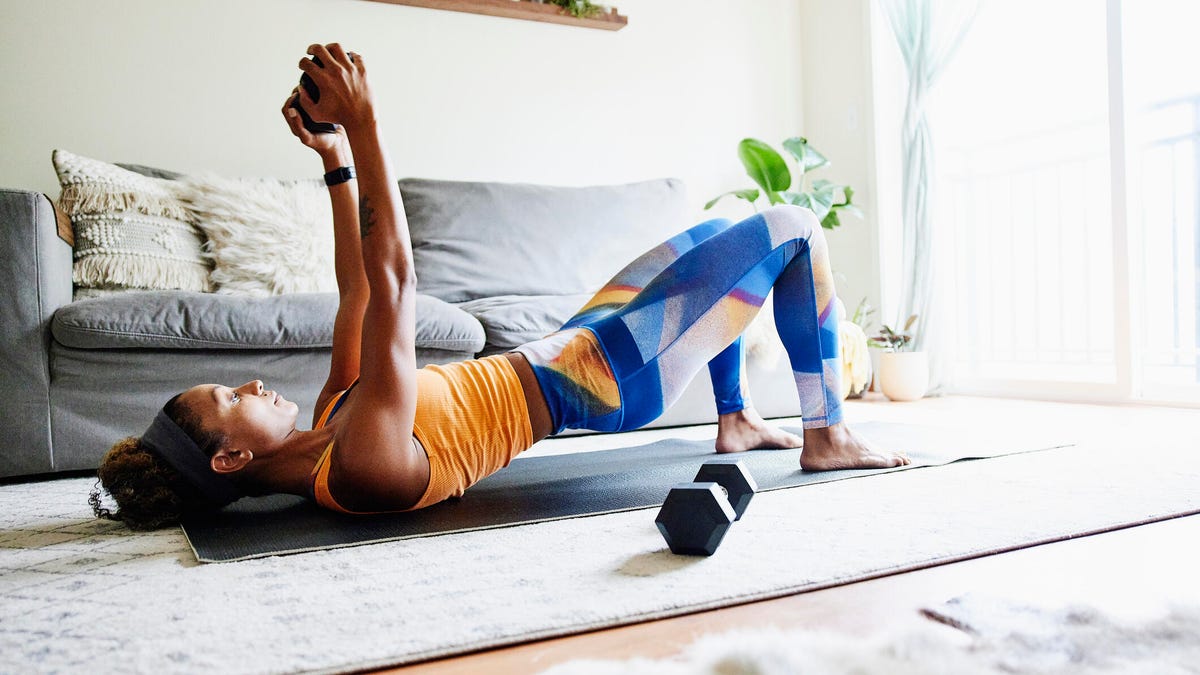
If you are new to yoga, starting with simple yoga poses helps build confidence and body awareness.
1. Mountain Pose (Tadasana)
Improves posture and balance.
2. Downward Dog (Adho Mukha Svanasana)
Strengthens arms and stretches hamstrings.
3. Child’s Pose (Balasana)
This pose encourages relaxation and stretches the spine.
4. Cat-Cow Stretch
Enhances spinal flexibility.
Table: Beginner Pose Benefits
| Pose | Primary Benefit | Difficulty Level |
|---|---|---|
| Mountain Pose | Posture correction | Easy |
| Downward Dog | Full-body stretch | Easy-Moderate |
| Child’s Pose | Relaxation | Easy |
| Cat-Cow | Spinal mobility | Easy |
Practicing these yoga poses daily creates a strong foundation for advanced movements.
Intermediate Postures for Strength and Stability
Once you build flexibility and balance, incorporating intermediate yoga poses helps improve muscle tone and endurance.
Warrior I (Virabhadrasana I)
This pose enhances leg strength and stability.
Triangle Pose (Trikonasana)
Enhances hip mobility and balance.
Bridge Pose (Setu Bandhasana)
Strengthens the lower back and glutes.
Boat Pose (Navasana)
Improves core strength.
Table: Muscle Focus Areas
| Pose | Target Area | Flexibility Required |
|---|---|---|
| Warrior I | Legs & Core | Moderate |
| Triangle | Hips & Hamstrings | Moderate |
| Bridge | Lower Back | Low-Moderate |
| Boat | Core | Moderate |
Regular practice of these yoga poses increases stamina and body control.
Advanced Movements for Flexibility and Balance

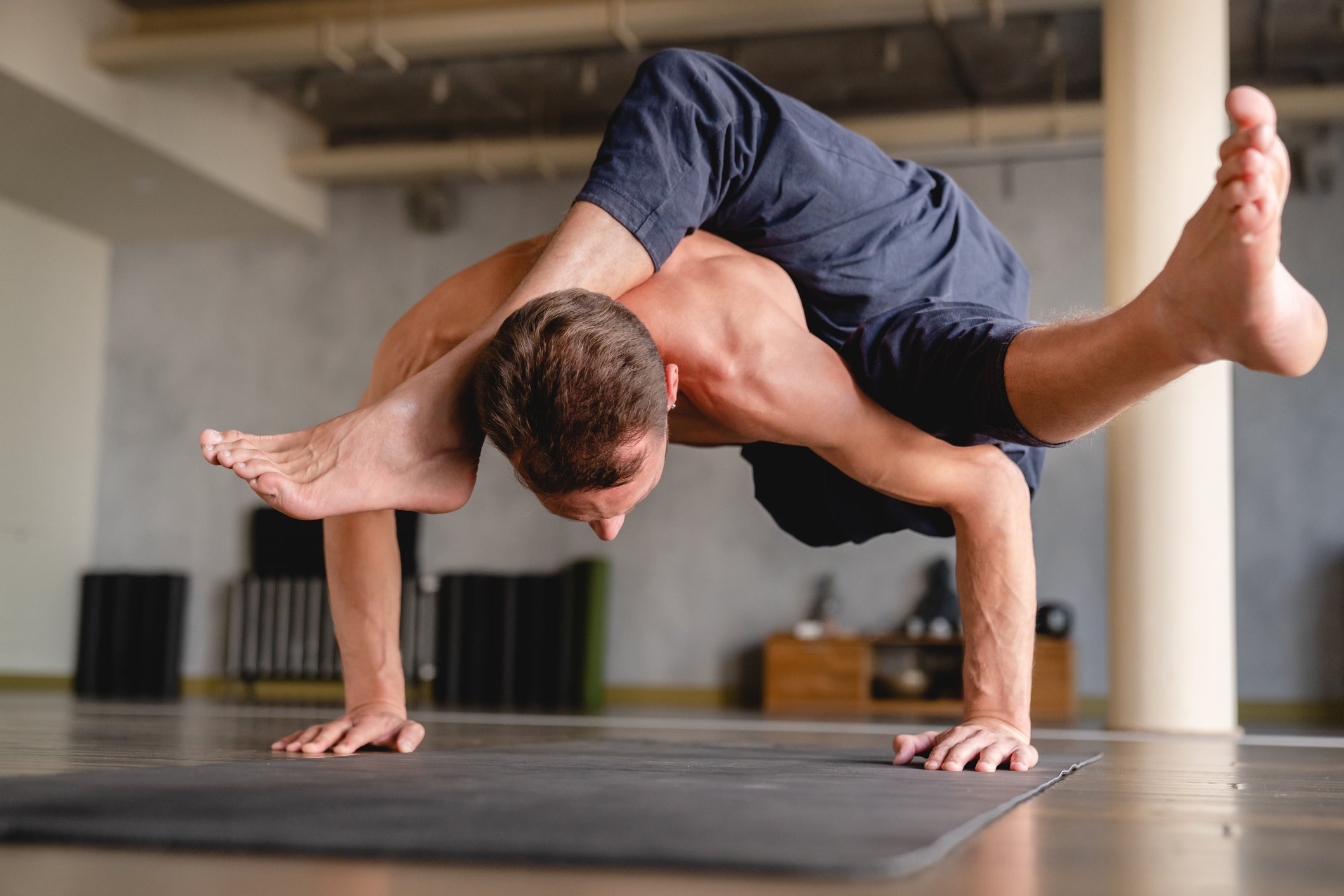
Advanced yoga poses require strong muscle engagement and controlled breathing. They should be practiced with proper guidance.
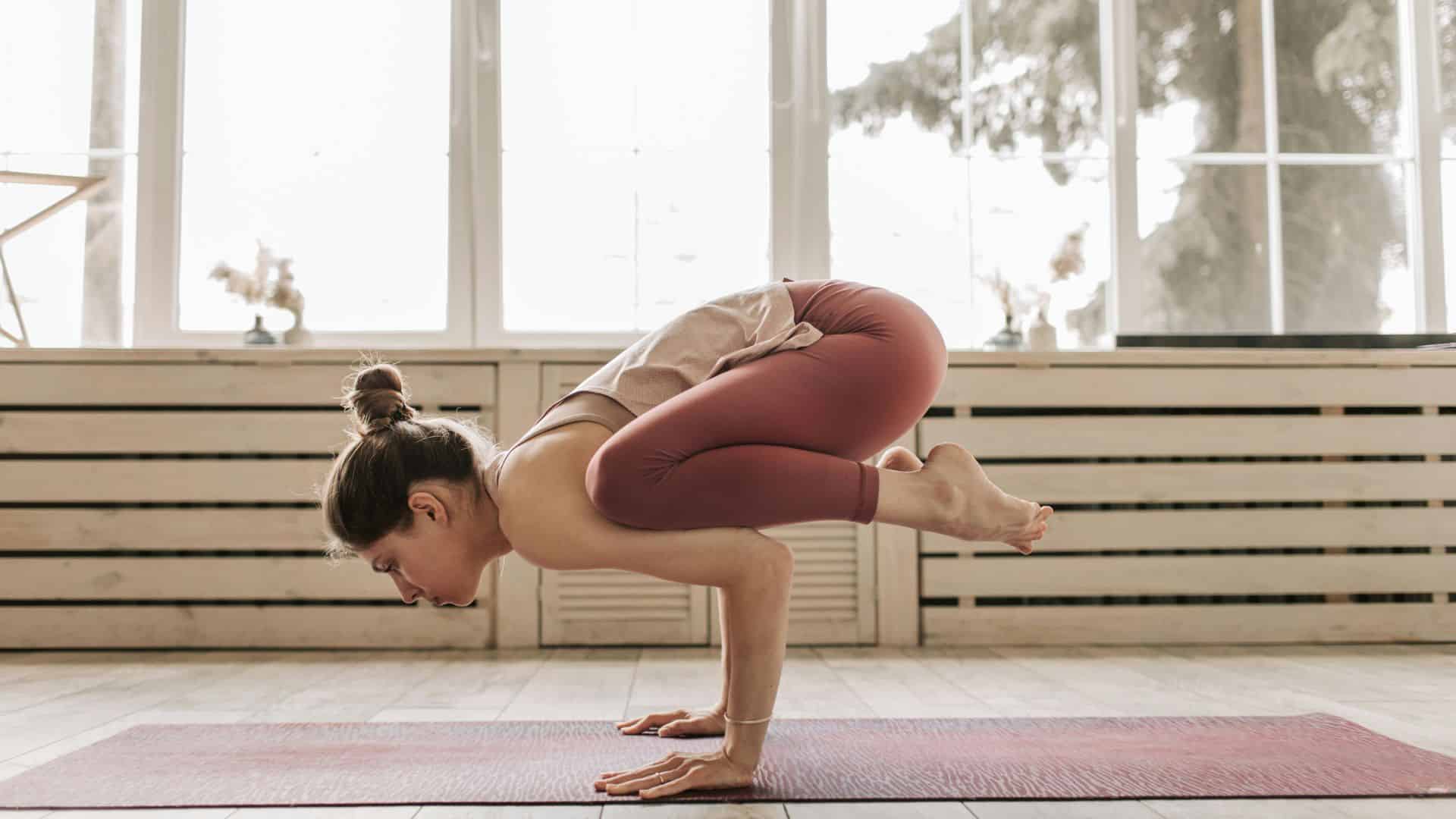
Crow Pose (Bakasana)
The Crow Pose (Bakasana) enhances arm strength and balance.
Headstand (Sirsasana)
Enhances focus and upper-body strength.
Wheel Pose (Chakrasana)
Opens the chest and strengthens the spine.
Key Points Before Attempting Advanced Poses:
-
Warm up thoroughly
-
Focus on alignment
-
Avoid rushing
-
Practice under supervision if needed
Mastering advanced yoga poses builds confidence and mental resilience.
Daily Yoga Routine Structure
Creating a structured plan ensures consistency.
Sample 30-Minute Routine
| Time | Activity | Focus |
|---|---|---|
| 5 min | Breathing exercises | Relaxation |
| 10 min | Beginner poses | Warm-up |
| 10 min | Strength poses | Muscle engagement |
| 5 min | Cool-down & meditation | Recovery |
This balanced routine integrates multiple yoga poses without overwhelming the body.
Physical Benefits of Regular Practice
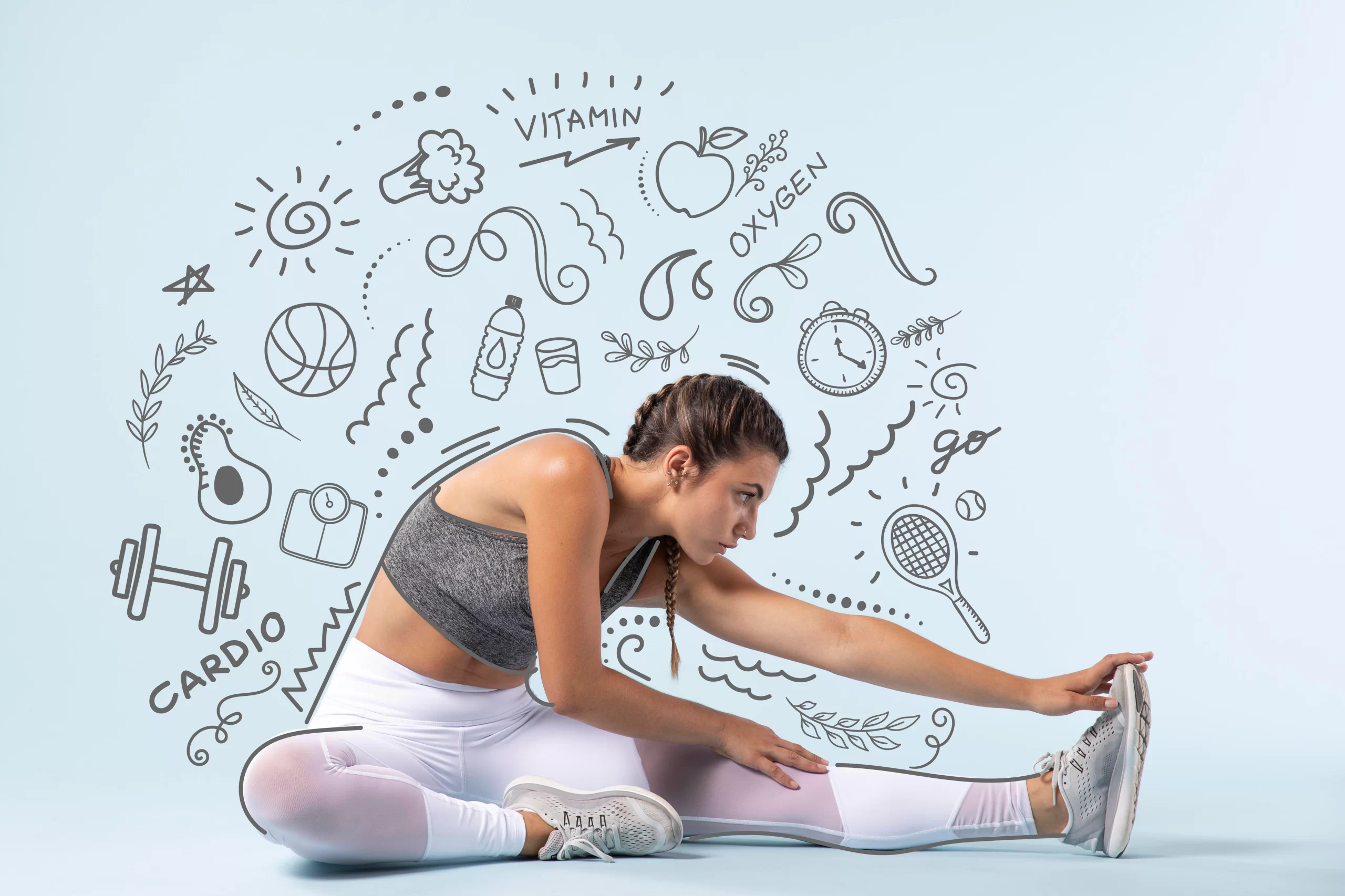
Consistent practice of yoga poses offers numerous physical advantages:
-
Increased flexibility
-
Improved muscle tone
-
Better posture
-
Enhanced joint mobility
-
Stronger core muscles
-
Improved digestion
Yoga supports gradual, sustainable physical improvement without excessive strain.
Mental and Emotional Benefits
Beyond physical strength, yoga poses significantly improve mental well-being.
Emotional Advantages:
-
Reduced stress
-
Improved focus
-
Better sleep quality
-
Emotional stability
-
Increased mindfulness
The integration of breathwork with yoga poses regulates cortisol levels and promotes calmness.
Common Mistakes to Avoid
Even experienced practitioners sometimes make errors. Avoid these common mistakes when practicing yoga poses:
1. Skipping Warm-Up
Cold muscles increase injury risk.
2. Holding Breath
Proper breathing supports movement.
3. Overstretching
Flexibility develops gradually.
4. Comparing Progress
Each body is unique.
Awareness and patience enhance long-term success.
Safety Precautions and Modifications
Yoga is generally safe, but modifications may be necessary.
Important Safety Tips:
-
Consult a doctor if you have injuries
-
Use props like blocks and straps
-
Avoid extreme pain
-
Maintain proper hydration
Listening to your body while performing yoga poses ensures a safe and rewarding experience.
Tracking Progress in Yoga Practice
Monitoring improvement helps maintain motivation.
Ways to Measure Growth:
-
Increased flexibility range
-
Improved balance duration
-
Enhanced breathing control
-
Reduced muscle stiffness
Over time, consistent practice of yoga poses leads to visible and internal transformation.
Combining Yoga with Other Fitness Activities
Yoga complements other workouts like strength training and cardio.
Benefits of Combination Training:
-
Reduces muscle tightness
-
Enhances recovery
-
Improves posture
-
Prevents injuries
Incorporating yoga poses alongside other exercises ensures balanced physical development.
Frequently Asked Questions (FAQs)
1. How often should I practice yoga?
Practicing 3–5 times per week is ideal for noticeable progress.
2. Are yoga poses suitable for beginners?
Yes, beginner-friendly poses are easy to learn and adaptable.
3. Can yoga help with weight management?
Yes, consistent practice improves metabolism and muscle tone.
4. How long does it take to see flexibility improvement?
Most people notice changes within 4–6 weeks.
5. Do I need special equipment?
A comfortable mat and breathable clothing are usually sufficient.
Conclusion: Creating Balance Through Consistent Practice
Yoga is more than a physical activity; it is a pathway to balanced living. Learning and practicing various yoga poses strengthens the body, calms the mind, and enhances emotional resilience. From beginner stretches to advanced balance postures, every movement contributes to overall well-being.
Consistency is the true key to progress. With patience, proper breathing, and mindful alignment, anyone can experience the transformative benefits of yoga. By incorporating structured routines and listening to your body, you can build strength, flexibility, and inner peace that lasts a lifetime.
Read More:- Smart Savings Guide for Comfortable Home Workouts