

In today’s fast-paced world, maintaining optimal health requires more than just avoiding illness. It demands a balanced approach that supports physical vitality, mental clarity, and emotional stability. This is where nutrition for wellbeing becomes essential. Rather than focusing only on calories or restrictive diets, wellbeing nutrition emphasizes holistic nourishment—fueling the body with the right balance of nutrients to promote long-term wellness.
Understanding wellbeing nutrition means recognizing that food directly impacts energy levels, mood, immunity, sleep quality, and overall life satisfaction. In this comprehensive guide, we explore the foundations, benefits, strategies, and practical implementation of wellbeing nutrition in daily life.
Understanding the Foundation of Holistic Health

Wellbeing nutrition is built on three core pillars:
-
Physical nourishment
-
Mental wellness support
-
Sustainable lifestyle habits
Unlike fad diets, wellbeing nutrition integrates whole foods, balanced macronutrients, and mindful eating practices. It encourages sustainable choices rather than short-term solutions.
Key Components of a Balanced Plan
| Nutrient Category | Role in the Body | Food Sources |
|---|---|---|
| Carbohydrates | Energy production | Whole grains, fruits |
| Proteins | Muscle repair | Legumes, eggs, lean meats |
| Healthy Fats | Hormone balance | Nuts, seeds, olive oil |
| Vitamins | Immune support | Vegetables, fruits |
| Minerals | Bone & nerve function | Dairy, leafy greens |
These components form the backbone of wellbeing nutrition and ensure the body receives essential nourishment.
Why Modern Lifestyles Demand Better Nutritional Awareness

Busy schedules, processed foods, and high stress levels have made nutrient deficiencies more common. Wellbeing nutrition addresses these challenges by focusing on nutrient density rather than empty calories.
Common Modern Nutrition Problems:
-
Excess sugar consumption
-
Low fiber intake
-
Poor hydration
-
Inadequate micronutrients
-
Irregular meal patterns
By correcting these habits, wellbeing nutrition supports long-term vitality.
The Link Between Nutrition and Mental Wellness

Nutrition does not only impact the body—it also shapes mental health. A balanced diet influences neurotransmitter production, brain function, and emotional stability.
Brain-Boosting Nutrients
| Nutrient | Mental Health Benefit |
|---|---|
| Omega-3 Fatty Acids | Supports mood balance |
| B Vitamins | Reduces fatigue |
| Magnesium | Calms nervous system |
| Zinc | Cognitive support |
| Antioxidants | Protect brain cells |
Wellbeing nutrition emphasizes these nutrients to enhance both physical and psychological resilience.
Core Principles for Sustainable Healthy Eating
Adopting wellbeing nutrition requires consistency rather than perfection. The following principles guide sustainable progress:
1. Eat Whole, Minimally Processed Foods
Choose foods close to their natural state.
2. Prioritize Nutrient Density
Focus on foods rich in vitamins and minerals.
3. Practice Portion Control
Balanced portions prevent overeating.
4. Stay Hydrated
Water supports digestion and detoxification.
5. Maintain Meal Regularity
Consistent meal timing stabilizes blood sugar.
These principles ensure wellbeing nutrition becomes a lifestyle, not a temporary diet.
Daily Meal Structure for Optimal Wellness

Creating a structured meal plan simplifies implementation.
Sample Daily Framework
Breakfast
-
Oats with nuts and fruits
-
Herbal tea or water
Lunch
-
Whole grains
-
Lean protein
-
Mixed vegetables
Snack
-
Yogurt or seeds
Dinner
-
Light protein
-
Steamed vegetables
Table: Ideal Plate Composition
| Plate Section | Percentage |
|---|---|
| Vegetables | 50% |
| Protein | 25% |
| Whole Grains | 20% |
| Healthy Fats | 5% |
Following such proportions strengthens the foundation of wellbeing nutrition.
The Role of Gut Health in Overall Wellness
The digestive system plays a central role in immunity and mood regulation. Wellbeing nutrition supports gut health through:
-
Probiotic-rich foods
-
High-fiber intake
-
Fermented items
-
Reduced processed sugar
Healthy digestion enhances nutrient absorption, maximizing the benefits of wellbeing nutrition.
Superfoods That Support Total Wellness
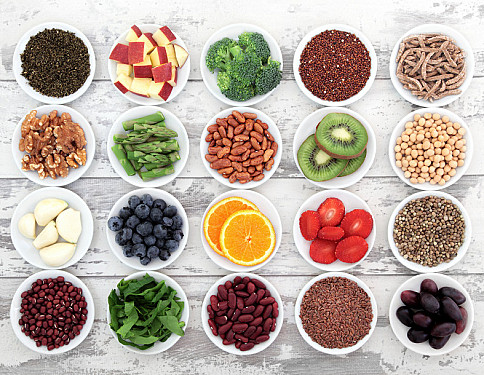
While no single food guarantees health, some provide concentrated nutrients.
Popular Nutrient-Dense Foods:
-
Leafy greens
-
Berries
-
Nuts and seeds
-
Fatty fish
-
Whole grains
Incorporating these regularly enhances wellbeing nutrition outcomes.
Balancing Macronutrients for Energy Stability
A common mistake in dieting is eliminating entire macronutrient groups. Wellbeing nutrition instead promotes balance.
Macronutrient Distribution Example
| Macronutrient | Recommended Range |
|---|---|
| Carbohydrates | 45–55% |
| Protein | 15–25% |
| Fats | 20–35% |
This balance supports metabolism, hormonal health, and sustained energy.
Hydration and Its Impact on Vitality
Water is often overlooked in nutrition discussions. However, hydration directly influences:
-
Brain performance
-
Skin clarity
-
Digestion
-
Energy levels
Aim for 2–3 liters daily, depending on activity levels.
Lifestyle Factors That Enhance Nutritional Benefits

Wellbeing nutrition works best alongside supportive habits:
-
Regular physical activity
-
Quality sleep
-
Stress management
-
Mindful eating practices
Nutrition and lifestyle function together to create lasting health improvements.
Common Mistakes to Avoid
When adopting wellbeing nutrition, avoid:
-
Skipping meals
-
Relying heavily on supplements
-
Ignoring micronutrients
-
Extreme calorie restriction
-
Inconsistent habits
Awareness of these pitfalls ensures sustainable progress.
Benefits of Long-Term Nutritional Balance
Consistent wellbeing nutrition provides measurable benefits:
Physical Benefits:
-
Improved immunity
-
Stable weight
-
Better digestion
-
Increased energy
Mental Benefits:
-
Sharper focus
-
Improved mood
-
Reduced anxiety
-
Better sleep
Over time, these advantages compound, creating overall life enhancement.
Tracking Progress Effectively
Monitoring results helps maintain motivation.
Simple Tracking Methods:
-
Energy level journaling
-
Sleep quality monitoring
-
Weekly meal planning
-
Periodic health checkups
These methods support accountability in wellbeing nutrition.
Frequently Asked Questions (FAQs)
1. What is wellbeing nutrition?
Wellbeing nutrition is a holistic approach to eating that supports physical, mental, and emotional health through balanced nutrient intake.
2. How is it different from dieting?
Dieting often focuses on weight loss, while wellbeing nutrition emphasizes overall wellness and sustainable habits.
3. Can supplements replace whole foods?
Supplements can support deficiencies but should not replace nutrient-rich meals.
4. How long does it take to see results?
Improvements in energy and digestion may appear within weeks, while long-term benefits develop over months.
5. Is wellbeing nutrition suitable for all ages?
Yes, with adjustments based on individual nutritional needs.
Building a Lifelong Commitment to Health
True wellness is not achieved through quick fixes. It is built through daily, mindful decisions that nourish the body and mind. Wellbeing nutrition encourages individuals to cultivate a positive relationship with food, prioritize balance, and develop habits that support longevity.
By embracing whole foods, balanced macronutrients, hydration, and consistent lifestyle practices, anyone can transform their health naturally. Over time, wellbeing nutrition becomes less of a structured plan and more of an intuitive, empowering way of living—one that supports vitality, resilience, and overall life satisfaction.
Read More:- The Natural Superfood Strategy for Sustainable Fat Loss