

Life on Earth depends on a remarkable biological process that allows certain organisms to produce their own food from simple inorganic substances. This process, known as autotrophic nutrition, forms the base of nearly every ecosystem. Without autotrophic nutrition, food chains would collapse, oxygen levels would drop, and life as we know it would not exist.
In this complete guide, we will look at the meaning, types, mechanisms, importance, and ecological role of autotrophic nutrition. We will also examine examples, differences from other nutritional modes, and frequently asked questions to deepen understanding.
Understanding the Concept of Self-Sustaining Nourishment
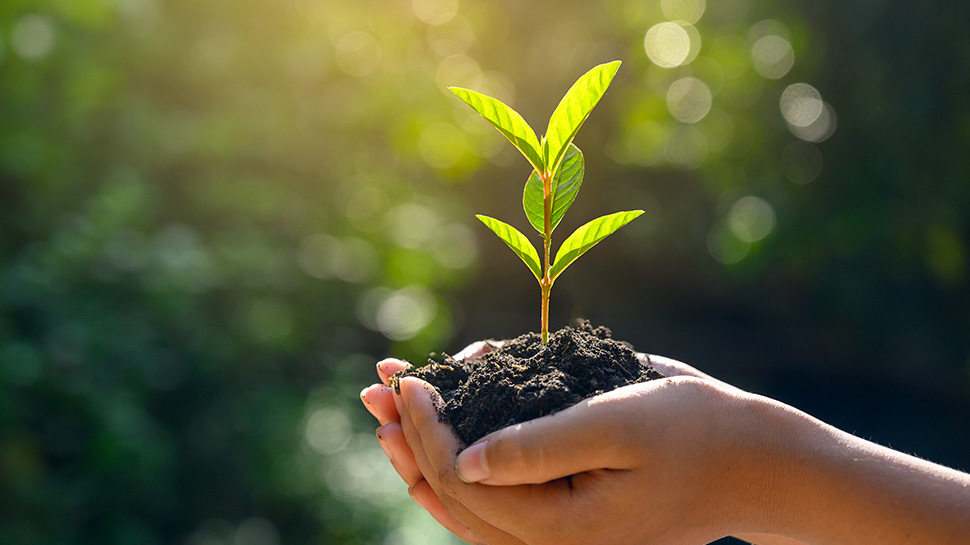
Autotrophic nutrition refers to the method by which organisms synthesize their own organic food from inorganic materials like carbon dioxide and water, using energy from sunlight or chemical reactions. Organisms that perform autotrophic nutrition are called autotrophs.
These organisms do not rely on other living beings for nourishment. Instead, they act as primary producers in ecosystems.
Key Characteristics of Autotrophs
-
Produce food internally
-
Use inorganic raw materials
-
Form the base of food chains
-
Store energy in chemical form
Autotrophic nutrition is most commonly observed in green plants, algae, and certain bacteria.
Types of Self-Feeding Mechanisms in Nature
Autotrophic nutrition is broadly classified into two major types based on the energy source used:
1. Photosynthetic Method
This is the most common form of autotrophic nutrition. It uses sunlight as the energy source to convert carbon dioxide and water into glucose.
Organisms That Use This Method:
-
Green plants
-
Algae
-
Cyanobacteria
Basic Equation of Photosynthesis:
Carbon Dioxide + Water + Sunlight → Glucose + Oxygen
2. Chemosynthetic Method
In this type of autotrophic nutrition, organisms use chemical energy derived from inorganic compounds instead of sunlight.
Examples Include:
-
Nitrifying bacteria
-
Sulfur bacteria
-
Iron bacteria
Comparison Between Photosynthetic and Chemosynthetic Modes
| Feature | Photosynthetic | Chemosynthetic |
|---|---|---|
| Energy Source | Sunlight | Chemical reactions |
| Chlorophyll Required | Yes | No |
| Oxygen Released | Yes | Usually No |
| Common Organisms | Plants, algae | Certain bacteria |
| Habitat | Sunlit environments | Deep sea, soil |
Both types demonstrate the diversity and adaptability of autotrophic nutrition in various environments.
The Role of Chlorophyll in Energy Production
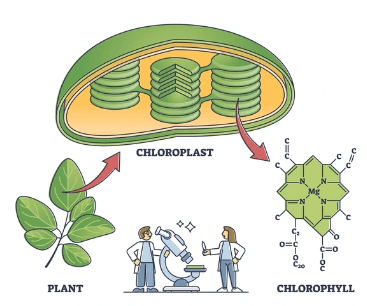
Chlorophyll is the green pigment found in plant cells. It absorbs sunlight and initiates the process of autotrophic nutrition through photosynthesis.
Functions of Chlorophyll:
-
Captures solar energy
-
Converts light energy into chemical energy
-
Enables glucose formation
-
Supports oxygen production
Without chlorophyll, most autotrophic nutrition processes in plants would not occur.
Steps Involved in Photosynthetic Food Production
Understanding the steps helps clarify how autotrophic nutrition works at a cellular level.
Step 1: Light Absorption
Chlorophyll absorbs sunlight.
Step 2: Water Splitting
Water molecules break down into hydrogen and oxygen.
Step 3: Carbon Fixation
Carbon dioxide combines with hydrogen to form glucose.
Step 4: Glucose Storage
Energy is stored as carbohydrates.
Importance of Self-Sustaining Organisms in Ecosystems

Autotrophic nutrition is critical because autotrophs are primary producers.
Ecological Significance
-
Base of food chains
-
Oxygen production
-
Carbon dioxide regulation
-
Energy flow maintenance
-
Soil fertility enhancement
Without autotrophic nutrition, heterotrophic organisms (animals and humans) would not survive.
Autotrophs vs Heterotrophs: Key Differences
| Feature | Autotrophs | Heterotrophs |
|---|---|---|
| Food Source | Produce own food | Depend on others |
| Energy Conversion | Direct from inorganic sources | Indirect consumption |
| Role in Food Chain | Producers | Consumers |
| Examples | Plants, algae | Humans, animals |
This comparison highlights why autotrophic nutrition is foundational to life systems.
Adaptations Supporting Energy Independence
Autotrophs have evolved unique adaptations to optimize autotrophic nutrition.
Structural Adaptations:
-
Broad leaves for sunlight absorption
-
Stomata for gas exchange
-
Extensive root systems for water absorption
Cellular Adaptations:
-
Chloroplast presence
-
Enzyme systems for carbon fixation
-
Pigment variation in algae
These features enhance efficiency in different environments.
Environmental Factors Affecting Food Synthesis
Several factors influence the rate of autotrophic nutrition:
1. Light Intensity
More light increases photosynthesis up to a limit.
2. Carbon Dioxide Concentration
Higher CO₂ levels can increase glucose production.
3. Temperature
Optimal temperature enhances enzyme activity.
4. Water Availability
Water scarcity reduces photosynthetic efficiency.
Table: Environmental Influence Summary
| Factor | Effect on Autotrophic Nutrition |
|---|---|
| Low Light | Reduced glucose production |
| High CO₂ | Increased productivity |
| Extreme Heat | Enzyme damage |
| Water Shortage | Slowed reaction rate |
Understanding these variables helps explain productivity differences in ecosystems.
Global Impact of Autotrophic Organisms
Autotrophic nutrition contributes significantly to global balance.
Global Contributions:
-
Maintains atmospheric oxygen
-
Regulates carbon cycle
-
Supports biodiversity
-
Enables agriculture
Forests, oceans, and grasslands rely heavily on autotrophic organisms to sustain life.
Examples of Autotrophic Organisms
Terrestrial Examples:
-
Grass
-
Trees
-
Shrubs
Aquatic Examples:
-
Phytoplankton
-
Seaweed
-
Algae
Bacterial Examples:
-
Nitrosomonas
-
Thiobacillus
Each performs autotrophic nutrition under different environmental conditions.
Human Dependence on Primary Producers
Although humans do not perform autotrophic nutrition, they depend entirely on organisms that do.
-
Crops provide carbohydrates
-
Vegetables supply vitamins
-
Oxygen enables respiration
-
Marine plants support fisheries
The survival of civilizations depends on preserving autotrophic systems.
Modern Research and Scientific Advancements
Scientists study autotrophic nutrition to improve:
-
Crop yield
-
Climate resilience
-
Carbon capture technologies
-
Renewable energy sources
Biotechnological research aims to enhance photosynthetic efficiency to combat food insecurity.
Common Misconceptions About Self-Feeding Organisms
Misconception 1: Only Plants Are Autotrophs
Many bacteria also perform autotrophic nutrition.
Misconception 2: All Autotrophs Use Sunlight
Some rely entirely on chemical reactions.
Misconception 3: Oxygen Is Always Produced
Chemosynthetic processes may not release oxygen.
Clarifying these misconceptions strengthens understanding.
Frequently Asked Questions (FAQs)
1. What is autotrophic nutrition?
Autotrophic nutrition is a process by which organisms produce their own food using inorganic substances and energy from sunlight or chemicals.
2. Why is autotrophic nutrition important?
It forms the base of food chains and supports life by producing oxygen and organic compounds.
3. Which organisms perform autotrophic nutrition?
Green plants, algae, and certain bacteria perform autotrophic nutrition.
4. What is the difference between photosynthesis and chemosynthesis?
Photosynthesis uses sunlight, while chemosynthesis uses chemical energy.
5. Can autotrophic nutrition occur without chlorophyll?
Yes, chemosynthetic bacteria perform autotrophic nutrition without chlorophyll.
Conclusion: The Energy Engine of the Biosphere
Autotrophic nutrition is the biological engine that powers ecosystems across the planet. By converting inorganic substances into usable organic compounds, autotrophs sustain every level of life. From oxygen production to global carbon balance, their contribution is unmatched.
Understanding autotrophic nutrition not only enhances scientific knowledge but also deepens appreciation for the delicate balance of nature. Protecting forests, oceans, and microbial ecosystems ensures that this vital process continues to support life for generations to come.
Read More:- The Complete Guide to Nourishing Your Body and Mind Naturally