

Introduction to a New Digital Learning Era
Education Portal 3.0 represents a transformative leap in how institutions deliver and manage education in a digitally connected world. Unlike earlier versions of academic platforms that focused primarily on content sharing and communication, this advanced system integrates artificial intelligence, predictive analytics, automation, and personalized learning paths. Education Portal 3.0 is designed to go beyond simple online access and create an interactive ecosystem where students, teachers, and administrators collaborate efficiently. As education shifts toward hybrid and remote models, institutions require platforms that offer flexibility, scalability, and security. This is where Education Portal 3.0 stands out. It combines academic management with smart technology to create a seamless experience that adapts to user behavior, learning pace, and institutional goals in real time.
The Evolution Toward Education Portal 3.0
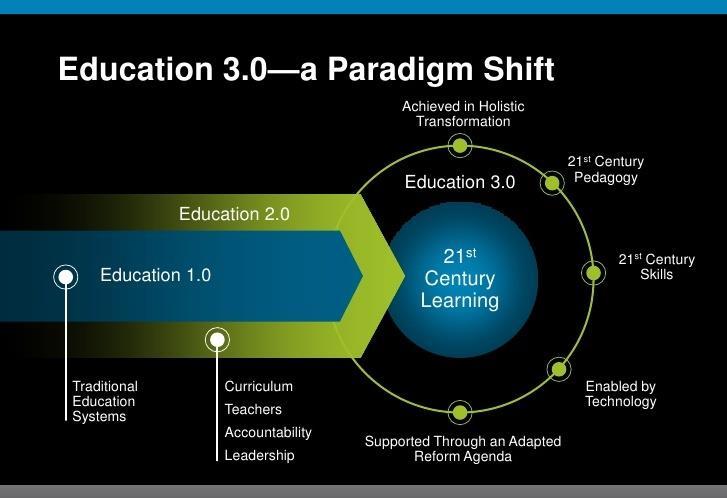
The journey toward Education Portal 3.0 began with basic digital portals that displayed announcements and static resources. Over time, these platforms evolved into interactive systems with assignment submissions, grading tools, and messaging features. However, modern educational demands require more intelligent systems. Education Portal 3.0 integrates data-driven insights, cloud computing, and AI-powered support systems. It no longer acts only as a management tool but as a strategic learning partner. With adaptive learning engines and performance tracking dashboards, institutions can identify strengths and weaknesses instantly. This evolution reflects the growing need for smarter digital ecosystems that go beyond administrative efficiency and actively enhance learning outcomes.
Core Features of Education Portal 3.0
Education Portal 3.0 introduces advanced capabilities that redefine digital education standards.
| Feature | Function | Impact |
|---|---|---|
| AI Learning Assistant | Personalized study support | Improved retention |
| Predictive Analytics | Performance forecasting | Early intervention |
| Smart Attendance | Automated tracking | Accuracy & time-saving |
| Integrated Communication | Real-time collaboration | Faster engagement |
| Cloud-Based Storage | Secure data access | Scalable management |
These features make Education Portal 3.0 a comprehensive digital solution. The integration of intelligent automation reduces manual workload while improving transparency and accountability. Students gain structured guidance, and educators receive actionable insights for better instruction planning.
Student-Centered Learning Experience

One of the most significant advantages of Education Portal 3.0 is its student-centric design. The platform adapts to individual learning patterns, offering personalized content recommendations based on academic performance. Instead of following a rigid curriculum structure, learners receive targeted support tailored to their strengths and weaknesses. Education Portal 3.0 also provides interactive dashboards that display grades, deadlines, attendance records, and progress analytics. This transparency encourages accountability and motivation. Students can communicate instantly with instructors and peers, participate in discussion forums, and access digital libraries from any location. By combining flexibility with intelligent support systems, Education Portal 3.0 empowers learners to take control of their educational journey.
Empowering Educators with Smart Tools
Education Portal 3.0 significantly enhances teaching efficiency through automation and analytics. Teachers can create digital lesson plans, schedule assessments, and monitor performance metrics within a unified interface. AI-driven grading systems reduce repetitive tasks, allowing educators to focus on mentorship and personalized instruction. The platform also provides detailed performance analytics, highlighting student progress trends and engagement levels. Education Portal 3.0 enables real-time communication through messaging systems and live class integrations. Teachers can quickly identify struggling students and implement timely interventions. By simplifying administrative responsibilities and offering data insights, this system strengthens instructional quality and overall academic outcomes.
Institutional Advantages and Operational Efficiency

Institutions adopting Education Portal 3.0 benefit from centralized management and strategic planning capabilities. Automation streamlines administrative processes like admissions, fee collection, scheduling, and reporting. The platform offers real-time dashboards for tracking enrollment trends, academic performance statistics, and operational metrics. Education Portal 3.0 ensures consistency in data management and reduces errors caused by manual systems. Its scalable cloud infrastructure allows institutions to expand without technological constraints. Additionally, decision-makers can access predictive analytics to forecast academic trends and resource requirements. This holistic approach enhances institutional credibility and operational effectiveness.
Advanced Security and Data Protection
Data security remains a critical concern in digital education systems. Education Portal 3.0 incorporates advanced encryption protocols, multi-factor authentication, and secure cloud storage solutions. Role-based access controls ensure that sensitive information is accessible only to authorized users. Regular system updates and monitoring tools minimize cybersecurity risks. Education Portal 3.0 prioritizes compliance with global data protection standards, safeguarding student records and institutional information. By maintaining secure infrastructure, institutions foster trust among students, parents, and educators. Strong security measures are essential for sustaining long-term digital transformation.
Data-Driven Academic Insights

Education Portal 3.0 leverages big data and analytics to enhance learning strategies. Performance dashboards provide real-time metrics on attendance, grades, engagement levels, and completion rates. Administrators can identify patterns that influence academic success. Teachers gain insights into topic comprehension and student participation. Education Portal 3.0 uses predictive analytics to flag potential academic risks, enabling proactive support. This data-driven environment encourages continuous improvement. By transforming raw data into actionable insights, institutions can optimize curriculum design and improve overall educational standards.
Supporting Hybrid and Remote Learning Models
Hybrid education requires seamless integration between physical classrooms and online platforms. Education Portal 3.0 bridges this gap effectively. Students attending remotely can access live sessions, recorded lectures, and digital assignments without disruption. The platform supports collaboration tools such as virtual breakout rooms and shared workspaces. Education Portal 3.0 ensures consistent communication across multiple devices, promoting inclusivity and accessibility. As remote learning becomes more common, institutions rely on advanced systems that maintain engagement and continuity. This platform supports global connectivity and expands educational reach beyond traditional boundaries.
Visual Overview of Education Portal 3.0
Smart Student Dashboard
(Image showing AI-powered dashboard with performance analytics and course tracking)
Virtual Classroom Integration
(Illustration of live video class with chat and interactive features)
Administrative Analytics Panel
(Graphic displaying data charts, reports, and institutional insights)
Visual representations highlight how Education Portal 3.0 integrates technology with user-friendly design.
Future Innovations in Education Portal 3.0

The future of Education Portal 3.0 includes deeper AI integration, virtual reality classrooms, and blockchain-based credential verification. Personalized learning algorithms will continue evolving, offering adaptive assessments and customized study plans. Institutions may incorporate gamification features to increase engagement. Education Portal 3.0 is positioned to redefine digital education ecosystems through innovation and scalability. As technology advances, the platform will expand its capabilities, ensuring that learning remains accessible, efficient, and interactive.
Conclusion
Education Portal 3.0 represents the next generation of digital learning systems. It transforms the delivery and management of education by integrating artificial intelligence, predictive analytics, automation, and secure infrastructure. Students benefit from personalized learning paths, teachers gain powerful instructional tools, and institutions achieve operational excellence. In a rapidly evolving educational landscape, Education Portal 3.0 provides the adaptability and intelligence required for long-term success. Adopting cutting-edge portal systems is crucial for organizations looking to stay competitive and prepared for the future as the digital transformation continues.
Read More:- The Future of Learning Through a Smart Education Portal