
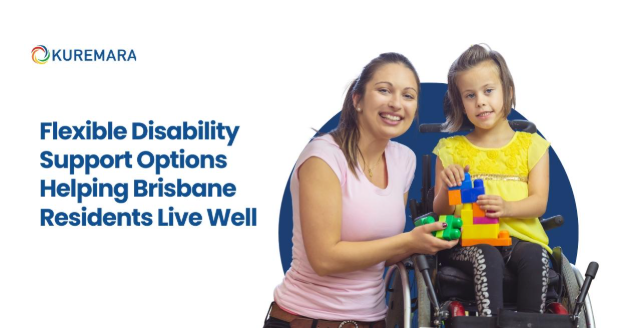
Living well with disability is about more than receiving care it’s about having access to the right supports at the right time, in ways that respect independence, dignity, and personal choice. In Brisbane, individuals and families are increasingly seeking flexible disability services that adapt to changing needs, short-term circumstances, and long-term goals.
Disability support today is not limited to permanent arrangements. Many people require temporary assistance, community-based engagement, or health-related services that complement their everyday routines. Understanding how these support options work can help individuals make confident, informed decisions that improve quality of life and reduce stress for families and carers.
This blog explores key types of disability support available in Brisbane, how they work together, and why flexibility and person-centred planning are essential to achieving positive outcomes.
Understanding Flexible Support Models
Disability support is no longer a one-size-fits-all solution. Modern support models are designed to respond to real-life situations whether that involves recovery from illness, changes in family circumstances, or the need for greater independence.
Flexible supports allow individuals to:
- Access care only when required
- Maintain stability during transitions
- Build independence gradually
- Stay connected to their community
These models ensure participants are not locked into arrangements that no longer suit their needs, providing both freedom and reassurance.
Short-Term Support That Provides Stability
There are times when individuals may need temporary assistance due to unexpected events or planned transitions. Short-term support offers a safe and structured environment while longer-term arrangements are considered.
Many families explore temporary accommodation options supported by STA providers Brisbane when a participant needs short-term care due to caregiver unavailability, recovery periods, or trial living arrangements. These supports help maintain routines, reduce disruption, and provide peace of mind during uncertain periods.
Importantly, short-term support is not just about accommodation it also focuses on wellbeing, continuity of care, and emotional stability.
Supporting Daily Routines and Independence
Daily living assistance plays a crucial role in helping individuals maintain confidence and structure. Supports may include:
- Personal care and hygiene
- Meal preparation and nutrition support
- Assistance with household tasks
- Medication reminders and wellbeing checks
These services aim to support independence rather than replace it. Effective daily support empowers individuals to participate in routines at their own pace, building skills while ensuring safety and comfort.
Community Engagement and Social Connection
Social inclusion is essential for emotional wellbeing and personal growth. Community-based supports help individuals remain active, connected, and engaged with the world around them.
Access to community access Brisbane services enables participants to take part in social, recreational, and educational activities that align with their interests and goals. This may include attending group programs, volunteering, shopping independently, or participating in local events.
Meaningful community participation fosters confidence, reduces isolation, and supports mental health, making it a vital component of holistic disability support.
Health-Focused Support Delivered at Home
 Some individuals require clinical or health-related assistance that can be safely delivered in their own homes. This approach reduces the need for frequent hospital visits and allows participants to receive care in a familiar environment.
Services supported through community nursing Brisbane may include wound care, medication management, health monitoring, and post-hospital recovery support. These services are often delivered alongside daily living assistance to ensure continuity and coordination of care.
Home-based health support promotes comfort, dignity, and better health outcomes while easing pressure on families and carers.
Coordinating Supports for Better Outcomes
When multiple supports are involved, coordination becomes critical. Well-coordinated services ensure that:
- Care plans remain aligned with goals
- Support workers communicate effectively
- Health and lifestyle needs are balanced
- Transitions are managed smoothly
Strong coordination prevents gaps in care and reduces the risk of confusion or duplication, allowing individuals to experience seamless, consistent support.
Building Skills for Long-Term Independence
Skill development is a key focus of modern disability services. Supports may assist individuals with:
- Budgeting and money management
- Cooking and household organisation
- Time management and planning
- Communication and decision-making
By focusing on capability building, supports encourage independence and self-confidence, helping individuals take greater control of their lives over time.
Supporting Families and Carers
Families and carers are often central to a participant’s support network. Quality disability services recognise this by:
- Maintaining open and respectful communication
- Involving families in planning where appropriate
- Offering guidance during transitions
- Supporting long-term sustainability of care
When families feel informed and supported, they are better equipped to provide stability and encouragement.
Safety, Trust, and Quality Standards
Trust is fundamental to disability support. Strong service frameworks prioritise:
- Consistent and trained support staff
- Safe and respectful environments
- Clear documentation and accountability
- Ongoing quality improvement
These standards ensure participants feel secure and confident in the supports they receive.
Planning for Change and Growth
Support needs can change over time due to health, lifestyle, or personal goals. Future-focused planning helps individuals:
- Adjust supports proactively
- Prepare for transitions
- Maintain continuity of care
- Explore new opportunities confidently
Flexible planning ensures supports evolve alongside the individual rather than becoming restrictive.
Conclusion
Disability support in Brisbane continues to move toward flexible, person-centred models that prioritise independence, wellbeing, and meaningful participation. By understanding the range of support options available from short-term assistance to community engagement and health-focused care individuals and families can make informed decisions that suit their unique circumstances.
When supports are coordinated, adaptable, and focused on long-term outcomes, individuals are empowered to live with confidence, stability, and choice. With the right approach, disability services can provide not just care, but genuine opportunities for growth and connection.