

Introduction to School Holiday
A school holiday is one of the most anticipated periods in every academic calendar. Students eagerly wait for breaks from their daily routines, while parents use this time to reconnect with their children. A school holiday is not just about relaxation; it plays a vital role in maintaining a balanced educational structure. Continuous academic pressure can lead to stress and reduced concentration. Scheduled holidays provide mental refreshment and physical rest, allowing students to return to school with renewed energy.
Educational institutions strategically plan school holiday schedules throughout the year to align with seasonal changes, festivals, and examination cycles. These breaks help create a structured rhythm between learning and leisure. A well-planned school holiday ensures that students maintain productivity while also enjoying personal growth opportunities outside the classroom.
Types of School Holidays Throughout the Year

A school holiday can occur for various reasons, depending on the region, climate, and cultural calendar. The most common types include summer vacations, winter breaks, festival holidays, and emergency closures. Summer school holiday periods are typically the longest, allowing families to travel or enroll children in skill-building programs. Winter breaks are shorter but provide relaxation during colder months.
Festival-related school holiday periods allow students to celebrate cultural traditions with their families. Unexpected holidays may occur due to weather conditions or public emergencies. Each type of school holiday serves a purpose in supporting students’ well-being. By understanding the structure of these breaks, parents and students can plan effectively and use their time wisely.
Importance of School Holiday for Students
A school holiday is essential for students’ academic and emotional development. Continuous study without adequate breaks can cause burnout. When students receive regular holidays, their minds relax, and creativity improves. A balanced schedule that includes a school holiday allows learners to process information more effectively.
Research in education psychology suggests that rest periods enhance memory retention and focus. During a school holiday, students can pursue hobbies, sports, reading, or creative arts. These activities contribute to holistic development beyond textbooks. Breaks also strengthen family bonds, as children spend more quality time at home. Ultimately, a well-structured school holiday improves both academic performance and overall well-being.
Mental and Physical Benefits of School Holiday

The impact of a school holiday goes beyond temporary enjoyment. Students experience reduced stress levels and improved emotional balance during extended breaks. Without daily academic pressure, they can sleep adequately and maintain healthier routines.
Physical activities during a school holiday, such as outdoor games or sports camps, enhance fitness and stamina. Mental health benefits include reduced anxiety and improved mood. Children who enjoy productive holidays often return to school with higher motivation. A school holiday also provides opportunities for digital detox, encouraging outdoor exploration and real-world interactions. These benefits highlight the importance of structured breaks within the academic calendar.
Typical School Holiday Calendar Structure
Below is an example of how schools may structure their annual breaks:
| Holiday Type | Usual Duration | Purpose |
|---|---|---|
| Summer Break | 4–8 weeks | Long rest & travel |
| Winter Break | 1–2 weeks | Seasonal relaxation |
| Festival Break | 2–7 days | Cultural celebrations |
| Mid-Term Break | 3–5 days | Academic refresh |
This structured approach ensures that each school holiday aligns with academic and seasonal needs. Schools carefully balance learning days with holidays to maintain educational quality while supporting student wellness.
Role of Parents During School Holiday

Parents play a crucial role in making a school holiday meaningful. Instead of allowing excessive screen time, families can encourage reading, skill-building, and outdoor activities. Planning a daily routine during a school holiday helps maintain discipline while allowing flexibility.
Educational trips, museum visits, and family outings can turn a simple school holiday into a valuable learning experience. Parents can also involve children in household activities to teach responsibility and teamwork. When families actively participate in planning, a school holiday becomes both enjoyable and productive. Proper guidance ensures children use their time constructively.
Productive Activities During School Holiday
A school holiday offers numerous opportunities for growth. Students can enroll in hobby classes such as music, art, coding, or sports training. Reading books outside the curriculum expands knowledge and vocabulary. Volunteering activities during a school holiday build empathy and social awareness.
Creative projects, science experiments, and journaling can also enhance critical thinking skills. Instead of viewing a school holiday as idle time, students should treat it as a chance for self-improvement. Balancing relaxation with productive tasks ensures that children remain engaged and motivated throughout the break.
Visual Moments of School Holiday
Students Enjoying Summer Vacation
(Image showing children playing outdoors during vacation)
Family Trip During School Break
(Illustration of a family traveling together)
Creative Activities at Home
(Graphic of children painting and reading during holiday)
These images reflect how a school holiday can be both enjoyable and enriching.
Balancing Studies and Relaxation
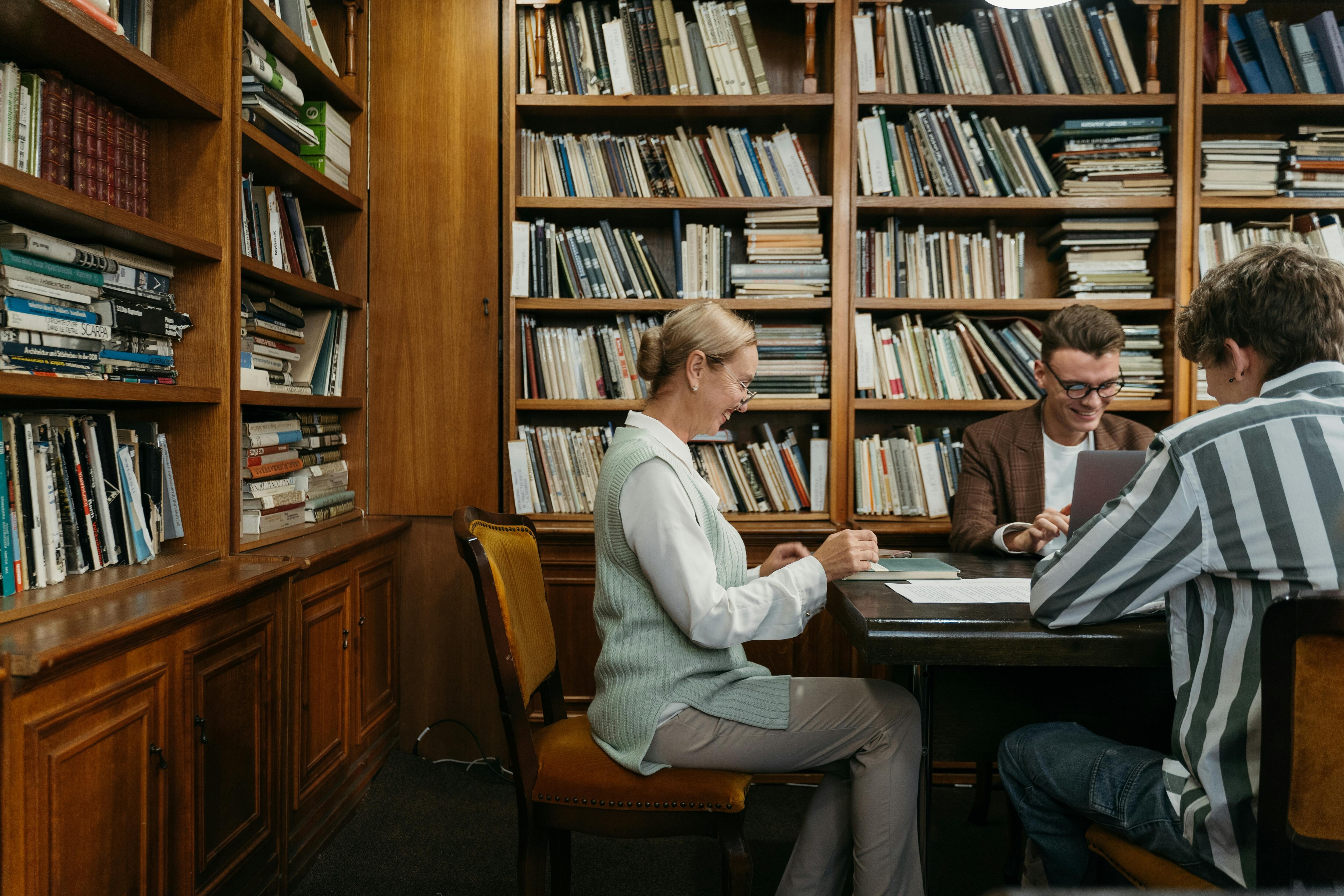
While a school holiday is meant for relaxation, maintaining light academic engagement is beneficial. Students can revise previous lessons or practice reading to avoid learning gaps. Short study sessions during a school holiday help maintain continuity without overwhelming children.
Teachers sometimes assign optional holiday homework to encourage consistent learning habits. A balanced approach ensures that students enjoy their school holiday while staying prepared for the next term. Discipline combined with relaxation creates the ideal holiday experience.
Long-Term Impact of School Holiday
Over time, a well-utilized school holiday contributes to better academic performance and emotional resilience. Students who experience balanced breaks develop stronger time-management skills. They return to school refreshed and more focused.
Repeated cycles of structured school holiday periods help maintain motivation throughout the year. These breaks support creativity, independence, and personal growth. Educational systems worldwide recognize the importance of holidays in sustaining long-term learning effectiveness.
Conclusion
A school holiday is more than just a pause from classes; it is a vital component of a balanced education system. By offering mental rest, physical activity, and opportunities for personal development, holidays support overall student growth. Parents and schools share the responsibility of making each school holiday productive and enjoyable.
When planned effectively, a school holiday enhances creativity, strengthens family bonds, and prepares students to return to school with renewed enthusiasm. Structured breaks ensure that education remains both effective and sustainable, promoting lifelong learning and well-being.
Read More:- Daily School Assembly News Headlines for Students