

Introduction: The Growing Buzz Around WW3
In recent years, the concept of WW3—or World War 3—has emerged not only in defense strategies and global news but also across pop culture and social media. From real geopolitical tensions to bizarre celebrity mentions like Kanye West WW3 or the meme-ified WW3 Kanye, the subject of World War 3 has stirred deep curiosity, speculation, and fear across generations.
Whether based on the evolving political landscape or digital exaggerations, the question when will WW3 start has trended globally. In this article, we explore WW3 news, celebrity mentions, and factual analysis about the possibility of another global conflict.
Global Political Climate and the Fear of WW3
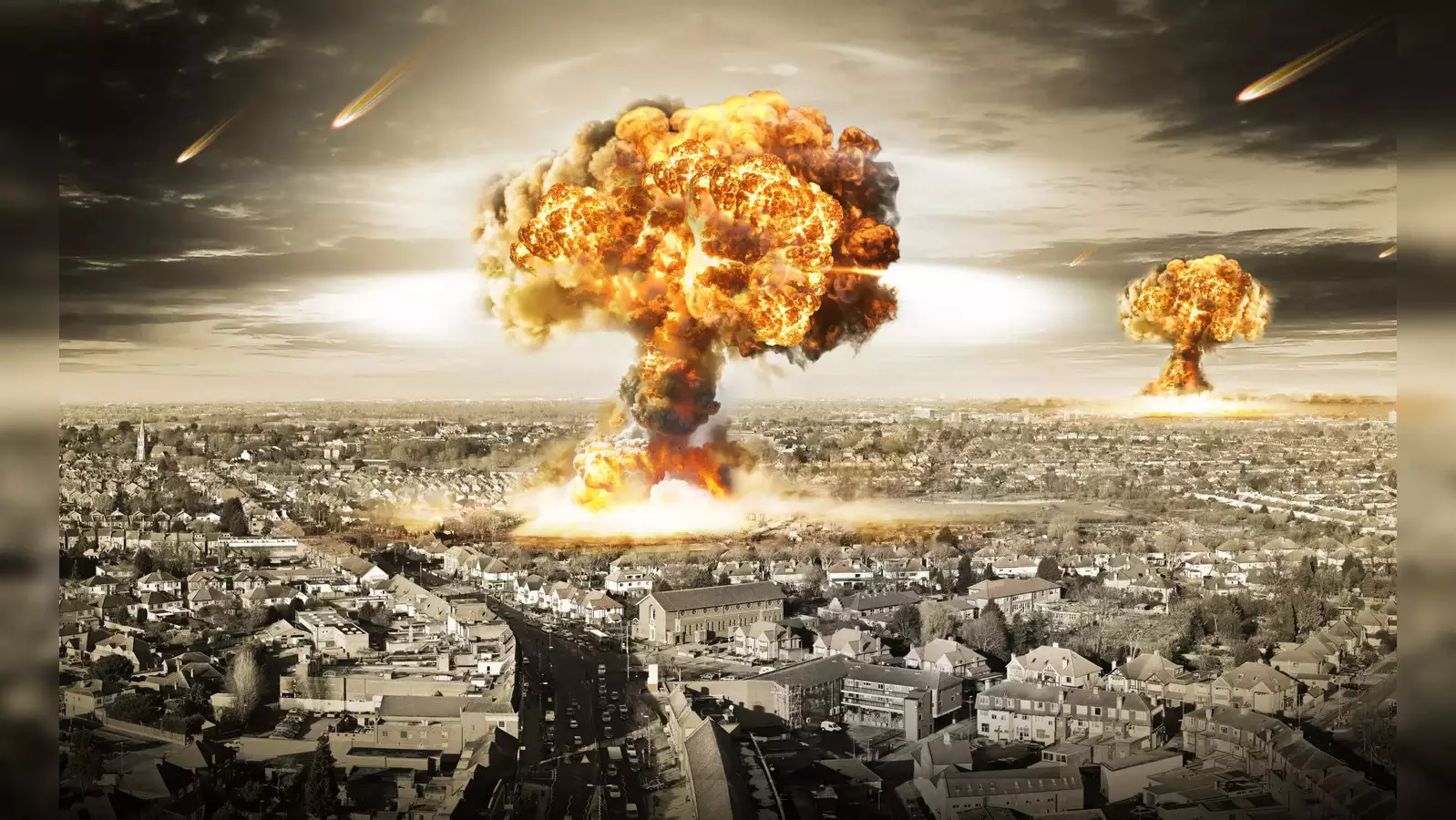
The fear of World War 3 has been amplified by rising tensions between world powers. Events such as Russia’s invasion of Ukraine, China’s growing assertiveness over Taiwan, and North Korea’s nuclear threats have escalated concerns. Global superpowers like the United States, Russia, and China find themselves entangled in proxy wars, trade disputes, and ideological rivalries.
As nations build alliances (NATO vs BRICS, for example), military exercises increase, and arms stockpiling grows, the world senses a potential buildup that could trigger a new global conflict—widely referred to as WW3.
Table 1: Key Global Flashpoints Raising WW3 Concerns
| Region | Key Conflict | Involved Nations | WW3 Risk Indicator |
|---|---|---|---|
| Eastern Europe | Russia-Ukraine War | Russia, Ukraine, NATO | High |
| Indo-Pacific | Taiwan-China-US Conflict | China, Taiwan, USA | High |
| Middle East | Iran-Israel Tensions | Iran, Israel, US | Medium |
| Korean Peninsula | North Korea Missile Threats | North Korea, South Korea, US | Medium |
| Africa | Resource & Rebel Wars | Multiple countries | Low to Medium |
These regions act as geopolitical powder kegs, where a single miscalculation could escalate into a multinational war, potentially ushering in World War 3.
WW3 News and Media Coverage: Fear or Facts?

Major news outlets frequently publish stories tagged with WW3 news, especially during flare-ups between nuclear-armed states. The Russia-Ukraine war in particular has been a fertile ground for WW3 discussions, with constant speculation over whether NATO involvement could spiral into a full-scale global war.
Social media platforms play a huge role in sensationalizing every diplomatic spat. Trending hashtags like #WW3 and #WorldWar3 often combine real events with memes and fear-mongering. But real experts caution against blind panic. While the media reports aggressively on military actions, they also emphasize the economic and political interdependence that discourages full-scale wars in the 21st century.
That said, WW3 news does help highlight the need for international diplomacy and better conflict resolution mechanisms.
Kanye West and WW3: Pop Culture Meets Global Conflict
The intersection of Kanye West and WW3 may sound absurd at first, but it reflects how modern culture engages with global fear. The phrase Kanye West WW3 went viral after Kanye made cryptic, controversial remarks about global politics during interviews and social media rants. Although not grounded in policy or strategy, these comments became viral content, leading to the hashtag WW3 Kanye circulating widely.
This reflects a dangerous trend—where misinformation, speculation, and celebrity influence can shape global discourse. WW3 Kanye memes, often humorous or conspiratorial, reveal how celebrities today can spark dialogue even on sensitive subjects like World War 3.
When Will WW3 Start? Speculation vs Reality

Among the most Googled questions in recent years is when will WW3 start?. This question stems from a mix of fear, historical awareness, and internet paranoia. But unlike previous world wars, today’s warfare includes new dimensions: cyberwarfare, economic sanctions, artificial intelligence, and biowarfare.
While tensions are undeniably high in regions like Ukraine, Taiwan, and the Middle East, experts argue that full-scale world wars are less likely in a nuclear-armed, economically interlinked world. The concept of Mutually Assured Destruction (MAD) still plays a deterrent role. Nevertheless, skirmishes, regional wars, and proxy conflicts could very well be precursors to broader escalation.
So, when will WW3 start? The answer is still uncertain, but preparation, awareness, and diplomacy remain the only viable solutions to delay or prevent it.
WW3 and the Changing Nature of Warfare

If World War 3 were to break out today, it would look vastly different from WW1 or WW2. Modern warfare involves:
-
Cyberattacks on infrastructure
-
Drones and unmanned combat vehicles
-
Hypersonic missiles
-
Disinformation warfare
-
Artificial Intelligence-based targeting systems
In essence, WW3 might not start with a nuclear bomb—it could begin with a cyber shutdown or a biological incident. This evolution has made the idea of WW3 even more unpredictable and dangerous.
Countries are now preparing not only with tanks and missiles but also by building cyber defense commands and AI-based war rooms. The psychological aspect of war has also shifted. Citizens are bombarded with media content, real-time updates, and even fake war news, creating anxiety worldwide.
The Role of Social Media in WW3 Speculations

Social media has played a massive role in shaping public perception about WW3. Whether through TikTok trends or Twitter posts about WW3 Kanye, the platforms have created echo chambers where panic and humor mix dangerously. Misinformation can escalate real tensions, leading to national overreactions or diplomatic blunders.
Furthermore, social media has amplified voices—like Kanye West—far beyond their domains. While Kanye West WW3 trends started as memes, they also reflect deeper societal concerns about celebrity influence, misinformation, and global fears.
World War 3 and International Preparedness
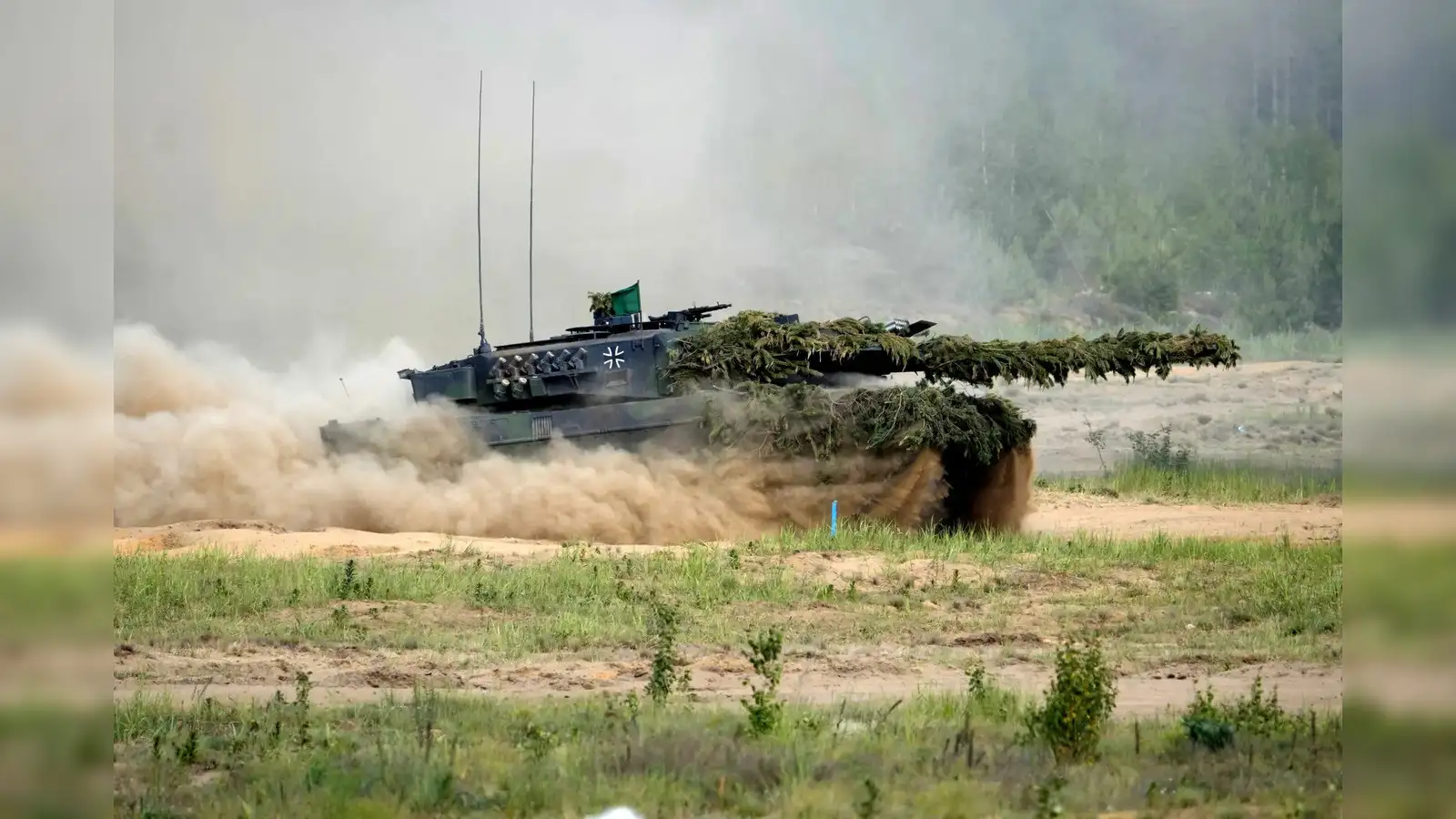
While WW3 hasn’t happened yet, many nations are actively preparing for worst-case scenarios. NATO’s expansion, Russia’s military investments, China’s technological warfare programs, and the USA’s global presence show that governments are aware of the possibilities.
The United Nations continues to advocate for peace, but cracks in global diplomacy, rising nationalism, and resource battles over water, oil, and rare earth elements could still light the fuse.
The global population today has far more to lose in a world war than ever before—mass civilian casualties, collapse of the internet, food and fuel shortages, and irreversible environmental damage.
Conclusion: Can We Prevent WW3?
The fear of World War 3 is not new. It has haunted us since the end of WW2. Today, with digital interconnectedness, social influence, and geopolitical chaos, the idea of WW3 feels closer than ever. Terms like WW3 news, WW3 Kanye, and when will WW3 start trend frequently, fueled by political crises and media buzz.
But it’s important to separate speculation from strategy. While the risk is real, it is not inevitable. Diplomacy, economic cooperation, conflict resolution, and global awareness are the keys to avoiding another global catastrophe. We must hold governments accountable, support peace dialogues, and stay informed—while refusing to let fear, memes, or misinformation drive us toward destruction.
The shadow of WW3 may loom, but humanity still has the power to choose peace over war.