

The Rise of Global Anxiety: Why WW3 Conversations Are Trending
In recent years, the term WW3 has dominated online searches, conversations, and headlines. From political instability to rising military conflicts, the world appears more fragile than ever. This growing unease has been amplified by news outlets and social media platforms, pushing WW3 news into mainstream awareness. As countries strengthen their arsenals and alliances become more complex, the fear of a full-blown global conflict continues to haunt global citizens. The phrase World War 3 evokes not just memories of past wars but a haunting vision of the future where diplomacy fails, and chaos rules.
WW3 News in the Digital Age: Fact, Fear, or Fiction?

The spread of WW3 news has seen exponential growth with the rise of digital media. Every regional conflict, military drill, or diplomatic strain often gets amplified under the banner of potential world war. Headlines scream of cyber threats, territorial disputes, and nuclear posturing, feeding into a collective paranoia. Notably, recent tensions in Eastern Europe, the Middle East, and the South China Sea have sparked intense speculation. Many fear that these flashpoints could trigger WW3, though experts argue that modern warfare and mutual deterrents are far more complex. The constant flow of WW3 news has created a cycle of fear that often outpaces rational analysis.
Kanye West WW3 Controversy: Art, Politics, and Provocation
The unusual blend of celebrity culture and global conflict emerged when Kanye West WW3 began trending across platforms. Kanye West, known for his controversial statements, once referenced WW3 during interviews and in lyrics, sparking debate and confusion. While many dismissed it as artistic expression, others saw it as a reflection of deep societal anxieties. The WW3 Kanye trend highlighted how influential figures can shift conversations from politics to pop culture and back again. The idea of WW3 Kanye may sound absurd on the surface, but it reveals how deeply embedded global fears have become, even in entertainment circles. West’s cryptic commentary, though not rooted in policy, has resonated with fans who interpret his warnings as prophetic or symbolic.
When Will WW3 Start: Predictions and Preventions
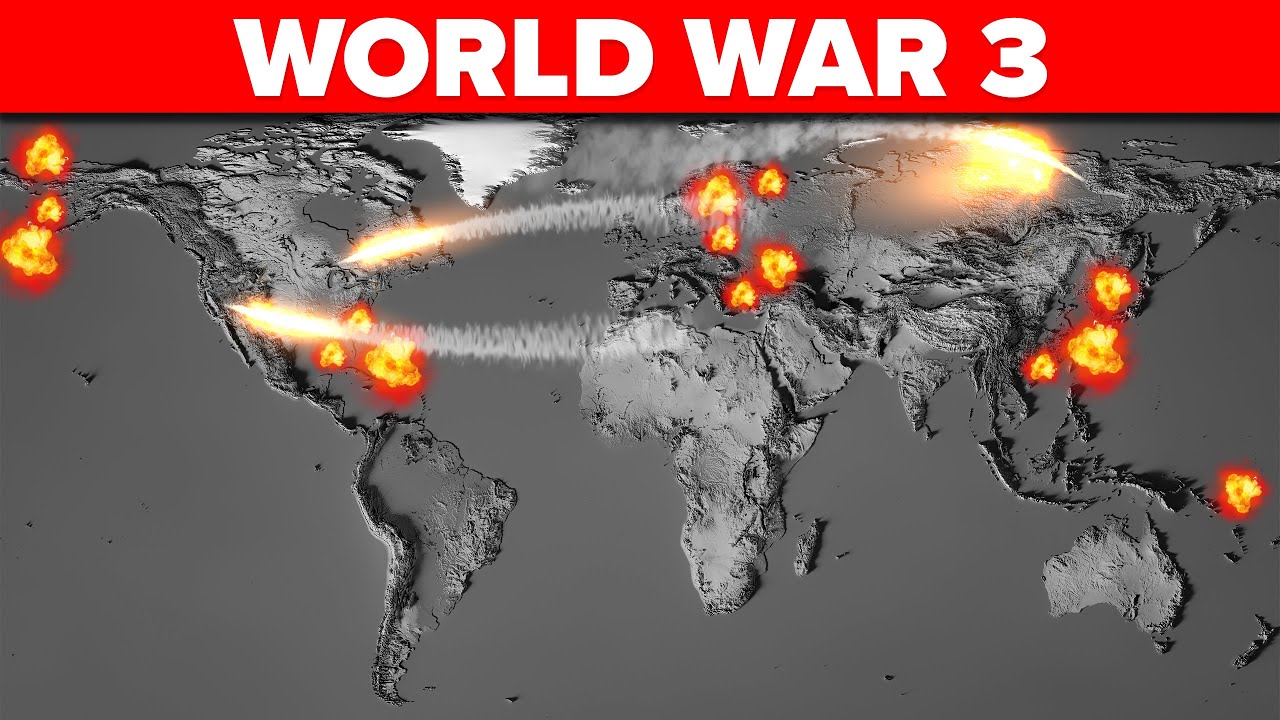
One of the most Googled questions in this space is when will WW3 start. It reflects global uncertainty and the public’s need for answers amid chaos. Military analysts and historians have weighed in, suggesting that while we are closer to conflict zones than in decades past, a global war remains avoidable. Today’s world is vastly different from the 20th century. The rise of nuclear deterrents, economic dependencies, and global institutions like the UN have acted as buffers. However, the rise of nationalism, misinformation, and cyber warfare keeps the threat alive. No one can truly predict when will WW3 start, but understanding current tensions can help citizens stay informed and demand diplomatic solutions.
World War 3: The Bigger Picture of a Global Conflict

The term World War 3 goes beyond simple military confrontation. It encapsulates fears of nuclear fallout, humanitarian disasters, economic collapse, and political breakdown. Historically, the first two world wars reshaped borders and ideologies. A third could threaten human existence. Today, many analysts argue that WW3 may not resemble past wars. Instead, it could manifest as cyber wars, economic blockades, biological threats, or disinformation campaigns. Unlike the trench warfare of the 20th century, the new World War 3 might be fought behind keyboards and satellites. Governments worldwide are quietly preparing for such scenarios, developing technologies to counteract future threats.
Table: Global Indicators of Potential WW3 Risk
| Category | Current Global Status | Influence on WW3 Risk |
|---|---|---|
| Military Spending | Increasing in US, China, Russia | High risk due to arms race |
| Cybersecurity Threats | Rising cyber-attacks globally | Medium to high risk of digital warfare |
| Political Polarization | Growing across democratic countries | Increases risk of internal conflicts |
| Nuclear Arsenals | Modernizing and expanding in some nations | High risk if diplomacy breaks down |
| International Alliances | Strengthening but also fracturing | Dual effect: protection and provocation |
WW3 in Public Imagination: A Psychological Landscape

In today’s interconnected world, the idea of WW3 lives as much in the mind as it does in policy briefings. From films to social media threads, the fear is constant. Pop culture often uses WW3 news and related themes to explore dystopian futures. These narratives shape how people view international developments. With influencers and celebrities weighing in on geopolitical issues, including the curious case of WW3 Kanye, the line between fact and fiction blurs. As fear spreads, so does the power of rumor, making it vital for the public to consume information critically and seek context over sensationalism.
Conclusion
The global conversation around WW3, WW3 news, and speculative phrases like WW3 Kanye continues to evolve. It reflects real geopolitical tensions, societal anxiety, and the unprecedented power of media. While no one knows for sure when will WW3 start, if ever, it remains a potent concern that transcends borders. By understanding the forces that shape this narrative—from politics and propaganda to celebrity influence and digital media—we equip ourselves to face the future with awareness, not fear. The path ahead depends not just on governments and leaders but on global citizens demanding peace over war and dialogue over destruction.