

The Growing Fear Around WW3 in Global Society
In recent years, the concept of WW3—World War 3—has transitioned from a distant nightmare to a topic of public anxiety and political discourse. Tensions among superpowers, regional conflicts, cyber warfare, and ideological polarization have all contributed to the speculation that WW3 may no longer be just a theoretical scenario. The world, still recovering from the aftermath of COVID-19 and ongoing military operations across continents, is increasingly sensitive to global developments.
Countries like the United States, Russia, China, and even NATO allies are involved in strategic military posturing that adds fuel to the fire. From conflicts in Eastern Europe to disputes over the South China Sea, every regional tension appears to have the potential to spark World War 3. As these developments unfold, people around the globe frequently search for the latest WW3 news, desperate to stay informed and aware of any early signs of escalation.
The Latest Developments in WW3 News
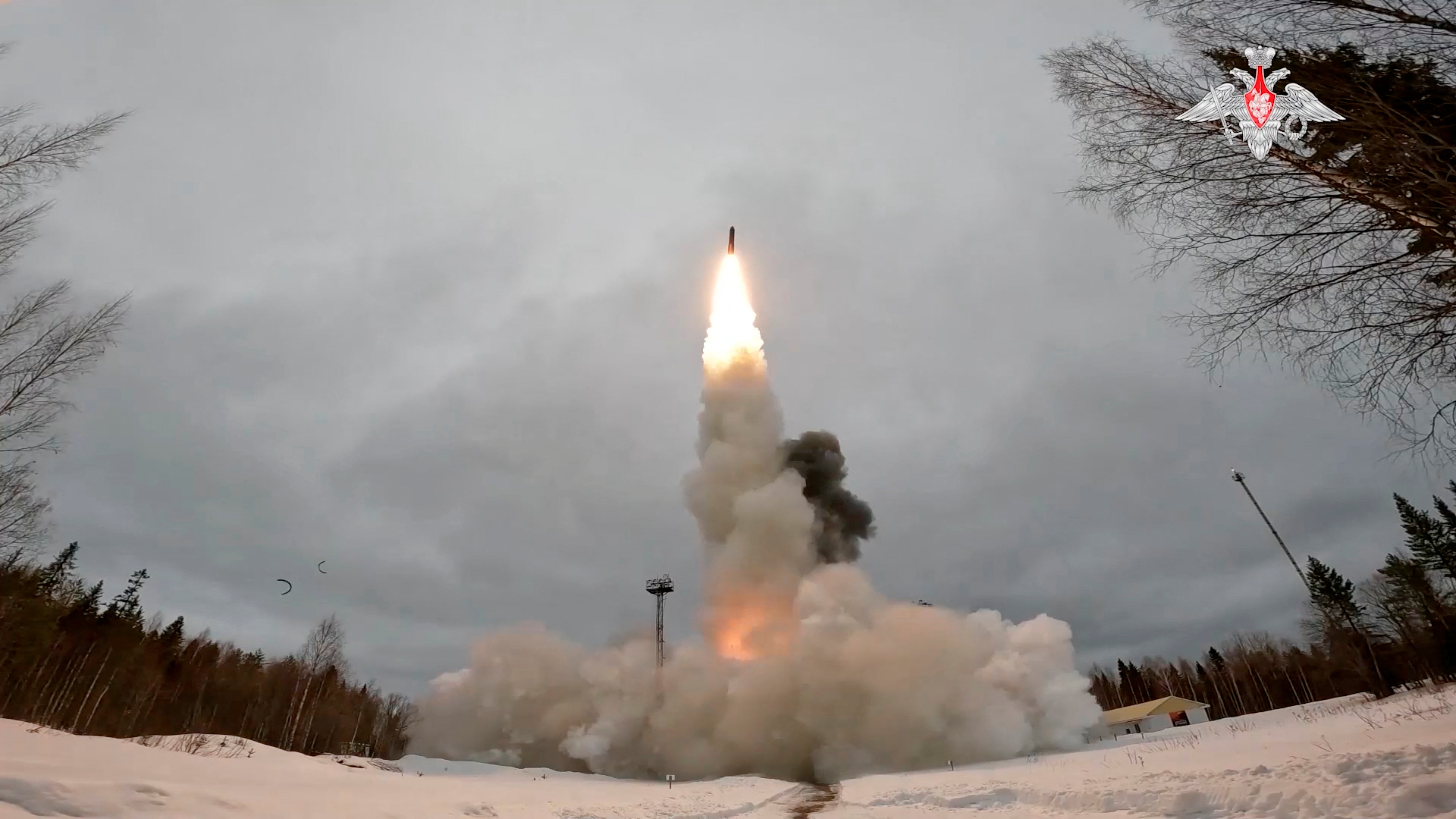
The surge in WW3 news across major global media outlets and social platforms has heightened public concern. Media reports often cover developments in Russia-Ukraine, NATO responses, U.S.-China relations, and the increasing militarization of space and cyberspace. These headlines do not just inform—they also spark debates, fears, and global conversations.
Recent military exercises by nuclear powers, aggressive rhetoric, and new defense policies have led experts and analysts to issue dire warnings about the possibility of escalation. In many ways, WW3 news reflects not only potential reality but also the psychological state of global affairs. Political leaders are under pressure to maintain both peace and power, leading to a precarious balancing act.
Kanye West and the Viral WW3 Commentary

One of the most unexpected cultural intersections with geopolitics is the involvement of celebrities like Kanye West. Known for his controversial public statements, Kanye West WW3 comments have gone viral on multiple platforms. In interviews, social media posts, and music references, Kanye has expressed dystopian fears, sometimes suggesting that the world is headed toward collapse or global war.
The phrase WW3 Kanye began trending when West made remarks about global control, government power, and the future of civilization. Though these statements were often viewed as abstract or symbolic, they caught the public’s attention, adding an entertainment-driven dimension to an otherwise serious topic.
Whether one considers Kanye’s take as insight or mere spectacle, the impact is undeniable. His audience—a mix of political skeptics, youth culture followers, and conspiracy theorists—further amplified his views, pushing Kanye West WW3 into viral territory. These events show how even cultural figures can shape or escalate global anxiety through unfiltered platforms.
Predictions and Questions: When Will WW3 Start?

One of the most searched and haunting questions on the internet is: When will WW3 start? While experts across military think tanks and geopolitical analysis firms cannot predict the exact answer, various scenarios are often discussed.
Some believe that World War 3 might begin due to miscalculation in conflict zones, like Taiwan, Ukraine, or the Middle East. Others argue that the war will not start with conventional weapons but rather through cyberattacks, economic warfare, or even bioterrorism.
The hypothetical date of WW3 remains unknown, but the buildup of arms, erosion of diplomacy, and spread of disinformation are warning signs. Citizens, particularly the younger generation, frequently raise this question on social media out of fear, satire, or genuine curiosity. Regardless of the tone, the anxiety behind “when will WW3 start” speaks to a global concern that peace is more fragile than ever.
Defining World War 3 in the Modern Age
The term World War 3 is no longer limited to visions of nuclear apocalypse or battlefield confrontations. In today’s interconnected digital world, warfare may take newer, more dangerous forms. State-sponsored cyberattacks have the power to cripple critical infrastructure. Artificial intelligence could become a weapon of mass manipulation or destruction. Information warfare is already shaping political decisions and public opinion worldwide.
In this broader understanding, WW3 could unfold not just on land, sea, or air, but in virtual realms—economies destroyed with a click, governments destabilized through data leaks, and societies thrown into chaos via algorithmic propaganda. This expanded definition challenges traditional military planning and demands a holistic approach to peace-building and international regulation.
Table: Comparing Global Indicators of Pre-War Tensions
| Indicator | 2020 Status | 2023 Status | 2025 Trend |
|---|---|---|---|
| Military Spending (Global) | $1.9 Trillion | $2.2 Trillion | Increasing |
| Nuclear Weapon Development | Contained | Expanding | Accelerating |
| Cybersecurity Threats | High | Severe | Critical |
| Diplomatic Stability | Moderate | Declining | Fragile |
| Civilian Fear of WW3 | Rising | High | Very High |
The above data paints a worrying picture. The combination of traditional and non-traditional threats forms a volatile mix that could easily push the global order into collapse.
The Social Media Amplification of WW3
Social media has become a double-edged sword in the WW3 narrative. Platforms like Twitter (now X), TikTok, and YouTube are flooded with videos predicting World War 3, some based on expert analysis and others rooted in conspiracy theories. These platforms amplify panic faster than governments can control it.
Search terms like WW3 news, Kanye West WW3, and when will WW3 start trend frequently, demonstrating the virality of fear. TikTok creators often dramatize nuclear scenarios, drawing millions of views and spreading either awareness or misinformation.
This digital landscape can fuel panic or spark proactive measures. However, the over-saturation of unverified content blurs the line between entertainment and reality, making the actual truth behind World War 3 harder to identify.
How Pop Culture and Politics Have Merged Around WW3
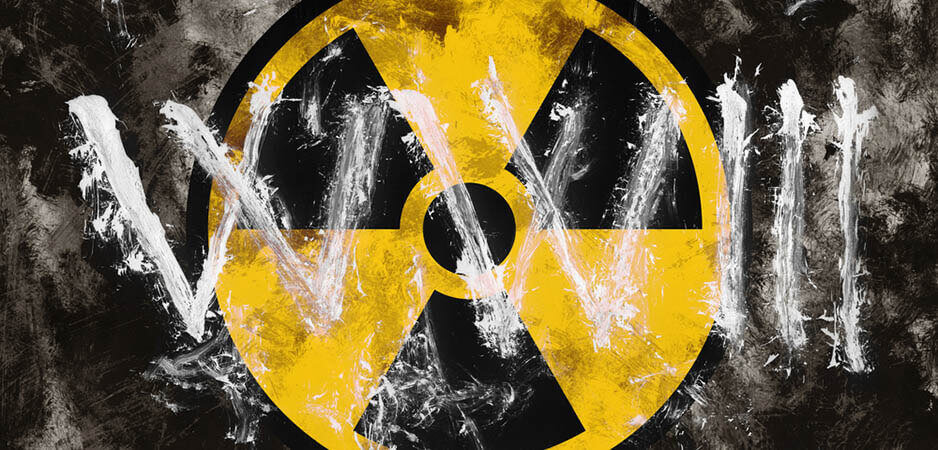
The viral connection between Kanye West and WW3 is just one example of how culture and politics have merged. From music lyrics hinting at dystopia to films and series depicting global warfare, modern pop culture often mirrors political fears. As a result, audiences become more engaged with international issues, but also more susceptible to emotional manipulation.
WW3 Kanye memes, remixes, and animations are widespread, showing how the public processes fear through humor or satire. Meanwhile, actual global leaders and defense analysts must navigate the seriousness of war planning with a population desensitized by fictional doom.
Conclusion
The question of WW3 is no longer confined to military textbooks or political theory; it has become a widespread public concern shaped by real conflict, viral news, and cultural voices like Kanye West. As we examine the current landscape through WW3 news, global speculation, and social commentary, one thing becomes clear: the idea of World War 3 is already shaping our behavior, fears, and political climate.
Whether or not a global war actually breaks out, the seeds of anxiety are already planted. It is up to global leaders, institutions, and citizens to prevent those seeds from blooming into catastrophe. By staying informed, skeptical, and committed to peace, perhaps we can ensure that WW3 remains only a warning—and never a reality.